

When it comes to acclaimed filmmakers, few have the notoriety as that of James Cameron. Whether it was sequels like Aliens or massive blockbusters such as Titanic, Cameron has certainly left a powerful filmmaking. In 2009 Cameron brought a new blockbuster to the big screen in the form of Avatar. Avatar was a Sci-fi epic that told the story of the Na’vi and the world of Pandora. To say the film was a hit would be an understatement as it became one of the most successful movies of all time grossing over a billion dollars in the box office. Yet Cameron had no plans to stop there as he intended for the story of Pandora with an array of sequels; and with Avatar being a hit the filmmaker could continue with his plan. For years the director has been working on a continuation, but little was known about the project. However in recent years development on the sequel was becoming more clear and after a decade of waiting moviegoers can finally return to Pandora in the new holiday blockbuster-Avatar: The Way of Water.
The Way of Water tells the story of Jake Sully (Sam Worthington) and Neytiri (Zoe Saldana) and how they and their family travel to a new Na’vi tribe to seek refuge from Quaritch (Stephen Lang): who has returned in the form of an avatar. Along with being the first movie in an array of sequels, The Way of Water would also focus on one of Cameron’s passions-which of course is the sea. This was certainly an ambitious project for Cameron, but the question I have been wondering is can Avatar be an ongoing franchise? Avatar was definitely an experience when it came out, but the wait did not help with the anticipation for a sequel. Fortunately the trailers looked promising and Cameron’s sense of spectacle was a major factor for me to see the new movie. So after returning to Pandora, I found that Avatar: The Way of Water was an engaging experience, but also a flawed continuation.
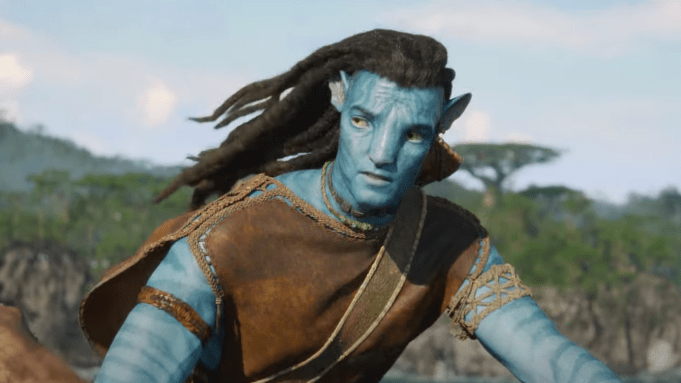
When it comes to filmmaking, few can rival Cameron’s ability to create a cinematic experience. When it comes to storytelling, on the other hand, Cameron can be hit or miss. This was evident in Avatar as ,despite its compelling concepts, the movie was anchored by its overly simplistic narrative. The same thing can be said about The Way of Water. While the movie was engaging, it was too simplistic for its own good. The story featured some interesting ideas as well as a decent setup to the main plot. However due to its excessive nature, the plot was conflicting to say the least. When the Sullys arrive at the new village not only does the conflict come to a halt, but the plot becomes sporadic with the main focus becoming the Tulkan and how one of Jake’s sons, Lo’ak (Britain Dalton), befriends one. Alone this plot point may have been alright, but felt out of place when connecting to the series’ overall story. Yet the biggest grievance I had with the sequel’s story was it felt too reminiscent of the first film’s structure. This direction may have been intentional to better refresh viewers memories, but I felt this choice squandered the plot’s potential and cheapened the stakes to this sci-fi epic.
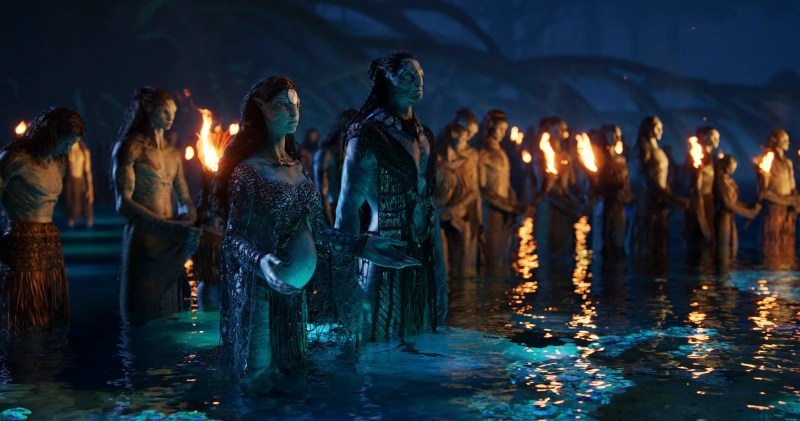
The cast faced a similar dilemma. While this ensemble had its merits, it was inconsistent in areas such as character development. When it came to the Sully clan, the family could be enjoyable but certain members stood out more than others. Both Jake and Neytiri were good from a performance standpoint, but both had very little progression and could get lost in the shuffle, particularly Neytiri. The rest of the family had their moments, but both Lo’ak and Kiri (Sigourney Weaver) had the most focus and as leads these characters were ok. The cast featured returning characters such as Norm (Joel David Moore) who had limited screen time. Meanwhile new characters such as Tsireya (Bailey Bass) and Ronal (Kate Winslet) served their purpose, but they did not leave a lasting impression. Perhaps the most notable new character was the Sullys’ human family member Spider (Jack Champion) who, while having questionable direction, was interesting due to his compelling conflict. As for the villains, they were as simple as antagonists could get with one notable exception which was the return of Stephen Lang as Quartich. Though his presence could be hit or miss, the character’s development was surprisingly well done and gave the cast a captivating member.
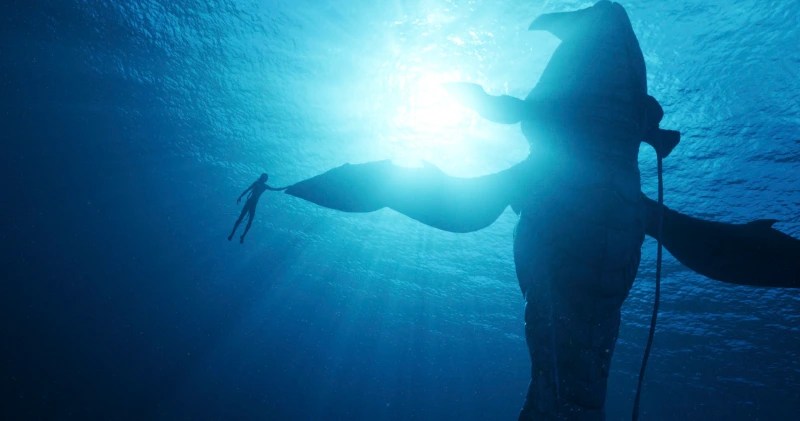
One thing is clear: Avatar The Way of Water was a spectacle to behold. The 2009 film was awe inspiring with its wondrous visuals, and its sequel not only lived up to this standard but set a new bar for the series. The blend of effects was seamless while the cinematography created stunning shots that enhanced elements such as the underwater sequences as well as the movie’s action scenes. Equally as impressive was the movie’s 3D which was immersive and among the best I have seen in quite some time. The music by Simon Franglen was also impressive as it worked for the film’s aquatic tone as well as lived up the compositions created by James Horner. Between the stunning sounds and phenomenal visuals, The Way of Water was a true cinematic experience as it captured the essence of what makes moviegoing so enjoyable.
Avatar: The Way of Water is an enjoyable yet conflicting continuation. On one hand the movie featured a phenomenal presentation that exceeds the standards of Cameron’s work. However the movie also highlights one of Cameron’s issues being his simplistic direction in aspects like story and characters. While both had their moments and did just enough to keep things compelling, there was no denying that the film’s storytelling and character (though to a lesser degree) was inconsistent in their execution. Despite its problems, Avatar: The Way of Water was an experience worth seeing, and while I am not 100% sold on the series itself I will say that this sequel could be a decent start in this new chapter to Cameron’s epic.


 The Cinematic Log
Leave a comment